
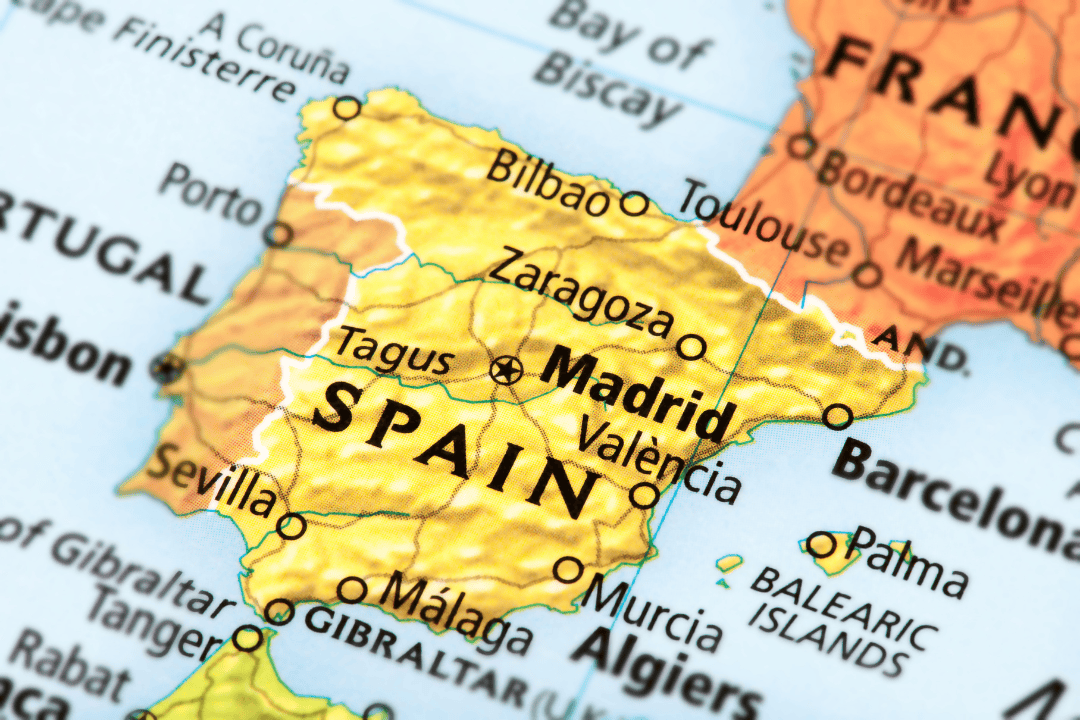
Brexit has significantly changed the way UK citizens can live, work, and invest in Spain. If you’re planning a move, it’s essential to understand the rules, costs, and best places to settle. Living in Spain after Brexit can be a little different now.
Residency in Spain After Brexit
Before Brexit, UK citizens enjoyed freedom of movement within the EU. Since January 1, 2021, this is no longer the case. Living in Spain after Brexit requires applying for the appropriate residence permit. Understanding your options is crucial to ensure compliance with Spanish law and to enjoy your stay without legal issues.
1. Non-Lucrative Residence
The non-lucrative residence permit is ideal for those who do not plan to work in Spain but have sufficient income to support themselves. Applicants must demonstrate:
- Proof of sufficient financial means (bank statements, pensions, investments).
- Comprehensive private health insurance.
- Clean criminal record.
This type of residence allows you to live in Spain legally but does not grant the right to work. It’s often chosen by retirees, remote workers, and individuals with independent income.
2. Work or Self-Employment Residence
If you plan to work in Spain or start your own business, a work or self-employment residence permit is required. There are several options depending on your profession and type of employment:
- Employment contract-based residency: For those who have a Spanish employer.
- Self-employed permit: For entrepreneurs or freelancers intending to establish a business in Spain.
The process can be complex, so professional guidance is recommended to ensure all paperwork and requirements are met correctly.
Costs of Living in Spain After Brexit
One of the main considerations for anyone moving abroad is cost of living. Spain offers a diverse range of living expenses depending on location, lifestyle, and personal preferences.
1. Housing Costs
Housing is the most significant expense. Rental prices vary greatly:
- Madrid and Barcelona: Monthly rent for a one-bedroom apartment in the city center can range from €1000 to €2000.
- Valencia, Alicante, and Málaga: More affordable options, often between €600 and €900.
- Smaller towns and rural areas: Even cheaper, sometimes below €500 per month.
Buying property is also an option, but consider additional costs like property taxes, notary fees, and community charges.
2. Utilities and Services
Monthly utilities such as electricity, water, gas, and internet generally cost around €120–€200 depending on usage and property size. Spain’s climate allows for energy-efficient living, especially in milder regions like the Mediterranean coast.
3. Food and Groceries
Eating in Spain can be very affordable, especially if you buy local products. On average:
- Weekly groceries for a single person: €40–€60.
- Monthly groceries for a family of four: €300–€500.
- Dining out is also cheaper than in the UK, with main courses in mid-range restaurants ranging from €15–€20.

4. Transportation
Spain offers extensive and affordable public transport. Typical costs:
- Metro or bus tickets: €1.50–€2.50 per ride.
- Monthly public transport pass: €40–€60 in most cities.
- Owning a car involves insurance, fuel, and maintenance, but fuel costs are generally lower than in the UK.
5. Healthcare
Health insurance is mandatory for non-employed residents. Private insurance costs around €50–€150 per month per adult, depending on coverage. Spain also offers high-quality public healthcare for those who are employed or paying into the social security system.
Best Places to Move in Spain
Choosing the right location is essential for a comfortable life. Factors like cost, climate, services, and community influence your decision.
1. Madrid and Barcelona
Spain’s largest cities are ideal for those who want vibrant cultural life, career opportunities, and modern amenities. However, they come with higher living costs and busier environments. These cities are perfect if you value networking, international schools, and diverse cultural experiences.
2. Costa del Sol (Málaga, Marbella)
The southern coast attracts expats seeking sun, sea, and a relaxed lifestyle. Popular towns include Marbella, Málaga, and Fuengirola. Here, you’ll find a large international community, excellent beaches, and a wide range of leisure activities. Costs can be moderate to high depending on location, especially in Marbella.
3. Valencia and Alicante
Both cities combine a Mediterranean lifestyle with affordable living costs. Valencia offers rich culture, modern infrastructure, and a growing expat community. Alicante is known for its beaches, lower rents, and more relaxed pace of life. These cities are particularly appealing to retirees and remote workers.
4. Other Considerations
- Cost of living: Smaller towns and rural areas offer the most affordable lifestyle.
- Community: If you prefer meeting fellow expats, coastal regions are ideal.
- Climate: Southern Spain is warmer, while northern regions like Bilbao or Santander have milder summers and colder winters.
Additional Tips for Living in Spain After Brexit
- Start residency applications early: Processing times can vary, so begin as soon as possible.
- Seek professional guidance: Ensures all paperwork is correct and reduces complications.
- Understand tax obligations: Residents may be liable for Spanish taxes, especially if earning income locally or globally.
Are you ready?
Living in Spain after Brexit is possible, but it requires careful planning. From understanding residency requirements to calculating living costs and choosing the best location, every step counts. With proper preparation, your move can be smooth, secure, and enjoyable. Contact Property Law Spain if you need some professional guidance!
0 Comments